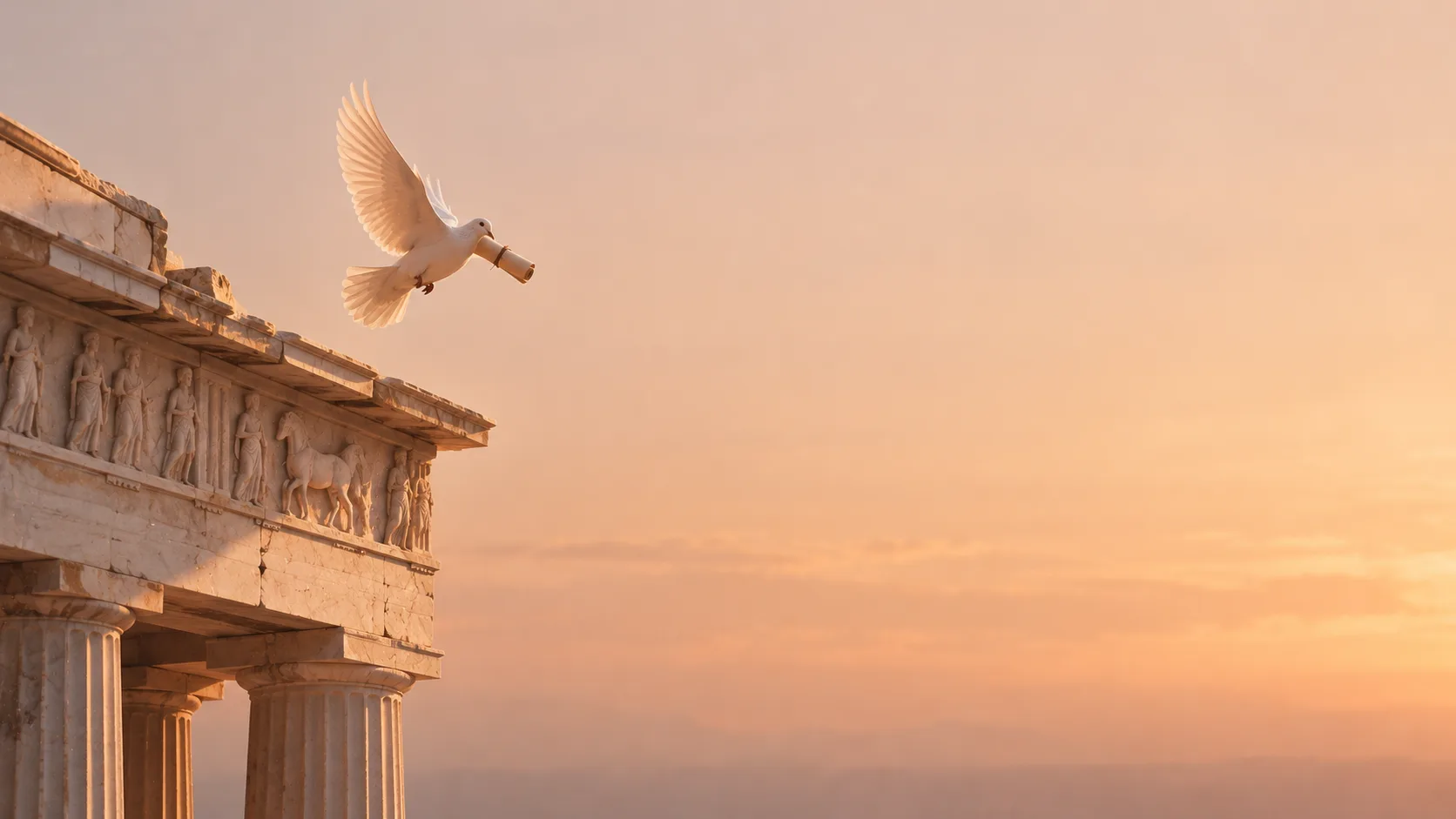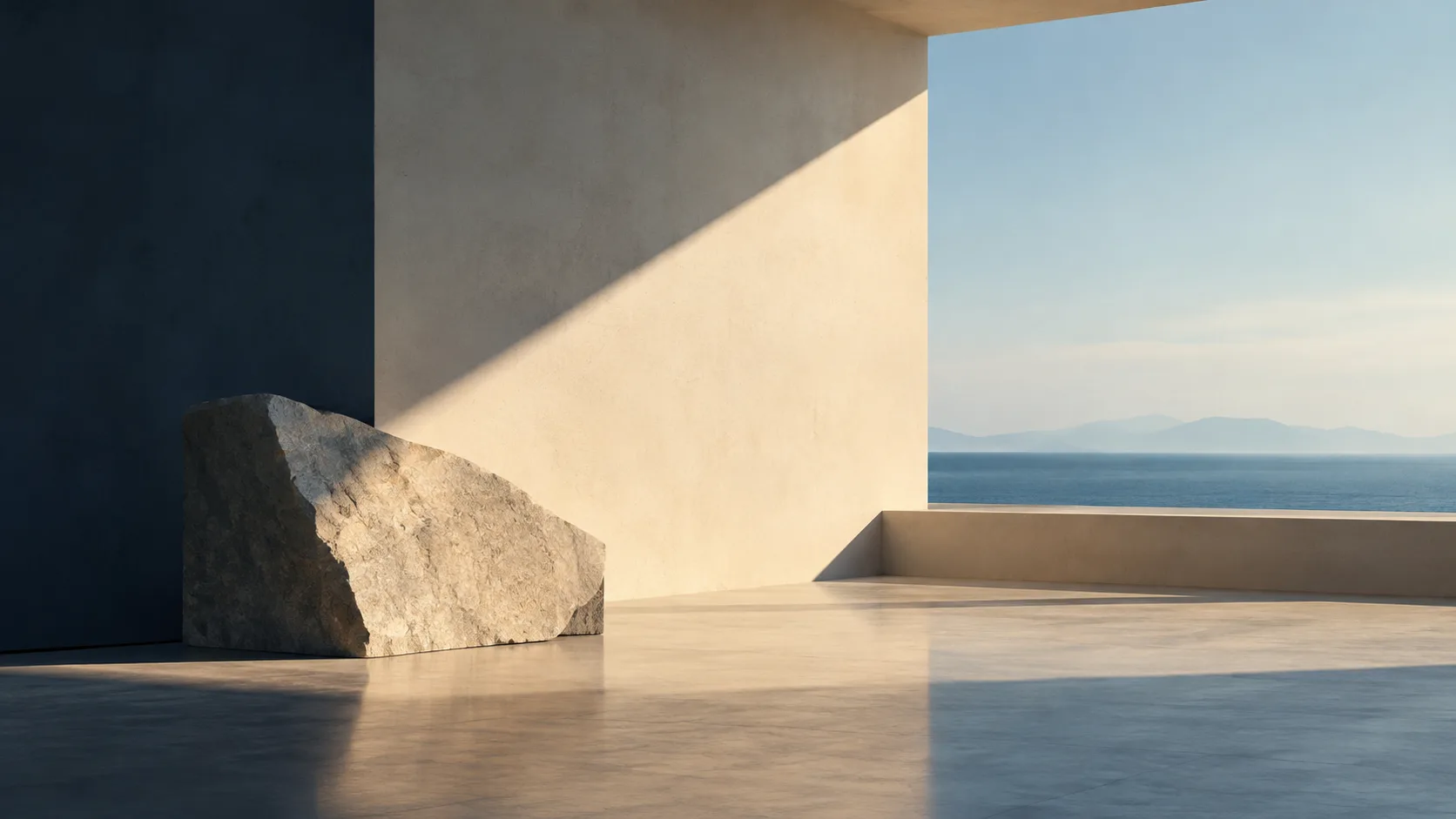
A single stone, moved from a hillside into a room, changes both. That simple observation is the starting point of this exhibition, which brings together sculpture, photography and a few borrowed objects to explore the found stone as an artwork in its own right.
The habit is old. Chinese scholars set eroded limestone on carved stands as miniature mountains. Japanese gardeners placed boulders in raked gravel so that they read as islands. Twentieth-century sculptors, from Isamu Noguchi to the artists of Land Art, worked with stone that had been barely touched, leaving most of its surface as weather made it.
The exhibition
The works on show range from large rough boulders set on polished concrete floors to small carved forms with a single opening, pierced so that light and view pass through them. Photographs record stones in their original settings, on beaches and in quarries, before and after they were moved.
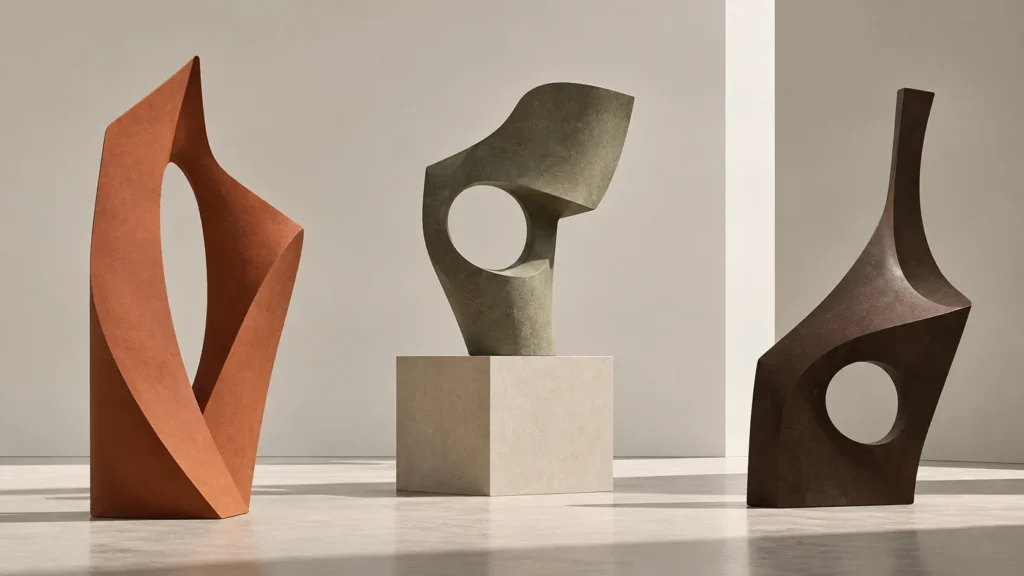
The exhibition is installed in a former harbour warehouse whose long windows face the sea. On clear afternoons the light falls across the floor in broad bands, and the stones change colour as the day goes on. Visitors are encouraged to come back at a different hour.
Programme
- Opening evening on 15 January from 18:00, with a short talk by the curators
- Guided walks along the coastal quarries on Saturday mornings in February
- A quiet hour every Sunday from 11:00, with reduced numbers and no audio guides
The halls are unheated and can be cool in winter, so warm clothing is advised. The building is accessible, with step-free access from the quay and seating in every room.